


Request an appointment

Preventive dentistry

Cavity Prevention in St. Clair West, Toronto

Cavity prevention in St. Clair West, Toronto with personalized assessments, hygiene guidance and preventive care at Regal Heights Dental Centre.

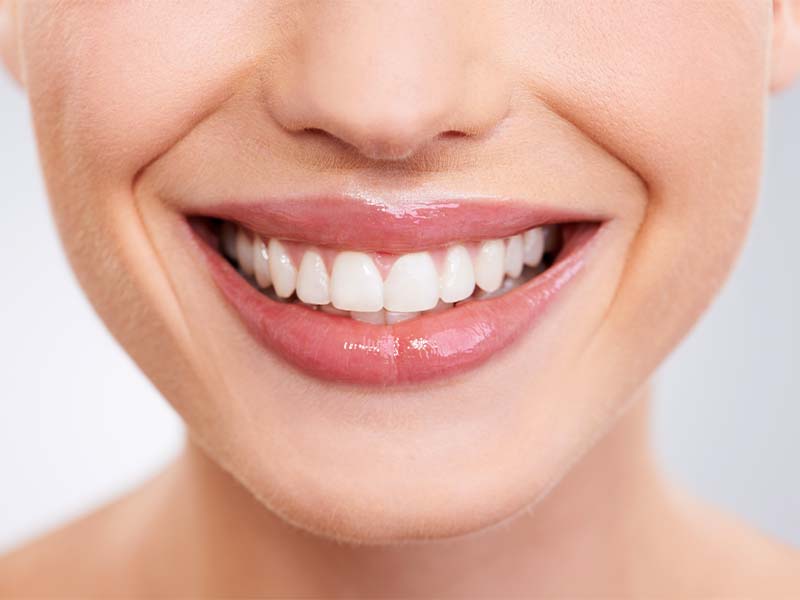
Close-up of a healthy white smile

St. Clair West Care at 930 St Clair Ave W, Toronto

Teenagers smiling together outdoors

Cavity Prevention in St. Clair West, Toronto

Cavity prevention is more than a list of brushing tips.

A practical plan considers previous cavities, diet frequency, saliva, cleaning, tooth shape, restorations, exposures and what can realistically be maintained at home.

Dental cavities develop through an interaction of tooth structure, oral bacteria, fermentable carbohydrates, saliva, time and protective factors. Prevention works best when it addresses the factors most relevant to the individual. At Regal Heights Dental Centre in St. Clair West, the approach is to understand your specific risk rather than apply a standard protocol — for patients in Regal Heights, Wychwood and across midtown Toronto.

A practical prevention conversation

The aim is not perfection. It is to reduce risk, identify changes early and make the next step clear and achievable.

  • Brushing with an appropriate toothpaste
  • Cleaning between teeth regularly
  • Frequency of sugary or acidic snacks and drinks
  • Dry mouth, medications and other modifying factors
  • Fluoride and non-fluoride preventive options
  • Sealants where appropriate
  • How often to reassess or image an area of concern
Individual risk reviewed

Early changes monitored where suitable

Restoration discussed when needed

Understanding individual cavity risk

Past cavities are a useful predictor but risk can change over time. Several factors influence what happens next.

Past cavities and restorations

A history of decay or many existing restorations can signal higher susceptibility — patterns across the dentition matter as much as individual teeth.

Dry mouth

Reduced saliva flow limits the mouth's natural buffering and remineralization capacity. Medications, systemic conditions and mouth breathing are common causes.

Frequent snacking and acidic drinks

Repeated acid exposure across the day keeps the oral environment shifted toward demineralization, even when total sugar intake seems modest. Frequency matters more than quantity alone.

Exposed root surfaces

Root dentin is more vulnerable to decay than enamel and harder to clean effectively. Recession, previous periodontal treatment or orthodontic tooth movement can all expose root surfaces.

Orthodontic appliances and cleaning difficulty

Fixed appliances, crowded teeth or restorations with rough margins create sites where plaque accumulates and is difficult to remove consistently.

Medications and reflux

Some medications reduce saliva flow or change its composition. Acid reflux introduces stomach acid to the mouth, eroding enamel and raising cavity risk independently of diet.

Early detection and monitoring

Identifying a change before structural breakdown occurs creates more options. The process is assessment-led, not assumption-led.

  1. Direct examination

    The dentist or hygienist examines teeth, gum tissue and soft tissues for visible changes and early signs of demineralization.

  2. Dental X-rays

    Bitewing and other images help identify decay between teeth or below existing restorations where direct examination cannot reach.

  3. Complementary imaging

    Canary light-based imaging, where available, can supplement clinical and radiographic findings for selected sites.

  4. Assessment and shared plan

    Location, depth, activity and ability to keep the area clean help determine whether a lesion should be monitored, managed preventively or restored.

After assessment: prevention and remineralization

Once findings are reviewed, the dentist may outline a longer-term prevention approach. Depending on risk and the nature of the lesion, that plan can include:

  • Scheduled follow-up examinations or light-based reassessment where available
  • Home-care and diet adjustments tailored to the specific findings
  • Professional preventive products, including remineralization powders or pastes when appropriate
  • Clear guidance on when monitoring is no longer enough and a filling or other restoration is needed

The goal is to see whether an area is improving, stable or deteriorating under a defined plan. When preventive measures are no longer sufficient to stabilize tooth structure, restoration may be recommended. That decision is based on examination findings — not assumption or patient pressure.

Fluoride and non-fluoride questions

Fluoride toothpaste and professional fluoride products have an established role in cavity prevention for many patients. Some people ask about alternatives such as hydroxyapatite products, xylitol or other approaches.

Product quality and evidence vary. An alternative should not be assumed to provide the same protective benefit for a person at high risk. The most useful discussion is specific: what is the person's risk level, what does the product contribute, how will it be used consistently and how will effectiveness be monitored over time? Bring your questions to the next appointment.

Close-up of clean, healthy teeth

Fees, assessment and next steps

The clinic can provide an estimate once assessment and any imaging are complete.

  • Fees depend on the examination, imaging selected and any treatment recommended
  • Insurance and CDCP may apply frequency limits and eligibility rules to both preventive and restorative services
  • Ask for a written estimate when restorative treatment such as a filling is being considered

Helpful information

Questions about Cavity Prevention in St. Clair West, Toronto

Can early tooth changes be monitored?

Some early, non-cavitated changes may be managed and monitored with preventive measures. Other lesions require restorative treatment. A clinical assessment is necessary.

Does everyone need the same fluoride products?

No. Product choice and frequency depend on age, risk, medical history and individual preference. Discuss options with your dental professional.

What happens after a Canary or preventive scan?

When used, imaging helps guide a longer-term prevention plan. Follow-up may include reassessment visits and, where appropriate, remineralization products or other preventive measures — always after diagnosis.

Can every early cavity be watched instead of filled?

No. Monitoring may be reasonable for selected non-cavitated changes, but a cavitated, progressing, painful or structurally weakened tooth may need restorative treatment.

Our dentists

Meet the team connected with this care

You can request a preferred dentist. We’ll match the appointment type and availability when we book.

Meet the full care team
Dr. Khalid Hossain

Dentist

Dr. Khalid Hossain, DMD

Dr. Khalid Hossain is a Toronto-raised, McGill-trained dentist at Regal Heights focused on patient-centred, comprehensive and evidence-based care.

Dr. S. Jeginovic

Dentist

Dr. S. Jeginovic, DDS

A dentist practising in Canada since 1999, with a care philosophy centred on trust, integrity and communication.

Appointments

Have questions about cavity risk in St. Clair West, Toronto?

The appropriate recommendation depends on examination and, when indicated, imaging. Request an appointment at Regal Heights Dental Centre, 930 St Clair Ave W in St. Clair West, or call 416-665-1145. A request does not guarantee a particular time or treatment.

St. Clair West, Toronto

Visit us at 930 St Clair Ave W.

Regal Heights Dental Centre serves Regal Heights, Wychwood, Corso Italia, Oakwood Village, Cedarvale and nearby Toronto neighbourhoods.

930 St Clair Ave W
Toronto, ON M6C 1C8

By TTC: the 512 St. Clair streetcar stops nearby. Parking details should be confirmed with the clinic before your visit.