
Request an appointment

Complementary care

Craniosacral Therapy in St. Clair West, Toronto

Craniosacral therapy in St. Clair West, Toronto at Regal Heights Dental Centre—complementary care with clear scope alongside individualized dental planning.

Woman smiling in warm outdoor light

St. Clair West Care at 930 St Clair Ave W, Toronto

Active woman smiling against a blue background

Craniosacral Therapy in St. Clair West, Toronto

Craniosacral therapy is a gentle-touch complementary practice.

Some people seek it for relaxation or selected comfort goals. Evidence for broad effects is limited, and it does not diagnose or treat dental disease, neurological symptoms or systemic conditions.

Craniosacral therapy is a gentle-touch complementary practice. At Regal Heights Dental Centre in St. Clair West, it may be offered by Takayoshi Munemoto for relaxation or selected comfort goals. Patients should approach broad claims about its effects cautiously—supporting evidence for many stated benefits is limited.

Keeping complementary care responsible

Please note

Craniosacral therapy should not be used to diagnose or treat dental infection, structural tooth problems, periodontal disease, neurological symptoms or other medical conditions. These require assessment and care from appropriately qualified professionals.

New or worsening symptoms—including jaw pain, tooth pain, swelling, headache, dizziness, weakness or numbness—should be assessed by a dentist, physician or other regulated health professional. A sense of relaxation during a session does not confirm that an underlying condition has been treated or resolved.

The clinic will not present craniosacral therapy as correcting dental alignment, releasing toxins, improving immune function or treating neurological or systemic disease.

Limited evidence stated clearly

Consent can be changed at any time

Persistent symptoms assessed appropriately

Evidence and expectations

Craniosacral therapy is described using theories about subtle movements of tissues around the skull and sacrum. Evidence supporting broad diagnostic or therapeutic claims is limited, and the theoretical basis is not consistently supported by anatomical research.

  • A responsible provider should describe the session in plain language and identify the intended comfort or relaxation goal
  • Providers should acknowledge uncertainty about mechanisms and outcomes rather than make broad health claims
  • Some people report a subjective sense of calm or reduced muscular tension; this does not confirm that pathology has been changed
  • Promises to correct skeletal or dental structure, eliminate the need for proven treatment or produce lasting systemic change are not supported by available evidence
  • Improvement cannot be guaranteed, and a temporary relaxation response should not discourage appropriate clinical assessment of persistent symptoms

What a session may involve

  1. Health history and consent

    The provider reviews relevant health information, explains where contact will occur and obtains consent before beginning. This includes conditions, medications, current symptoms and the specific intended goal of the session.

  2. Positioning and contact

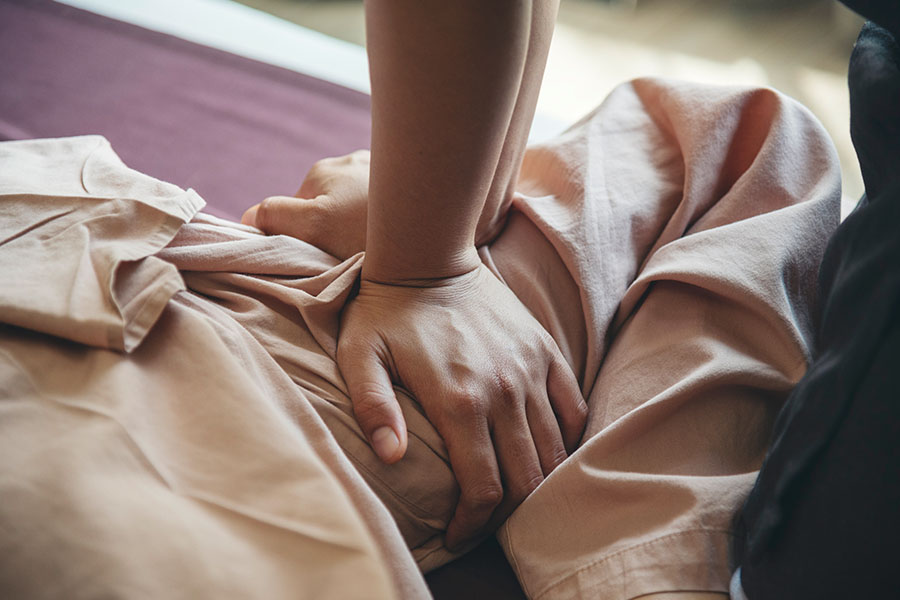
    Sessions are generally conducted with the patient fully clothed and lying down. Contact is light and typically focused on areas such as the head, neck, sacrum or other regions depending on the provider's approach and the patient's consent.

  3. Observation and response

    The provider adjusts in response to what they perceive. Patients are encouraged to communicate comfort and can ask to change position, avoid an area or stop at any time.

  4. Review and recommendations

    At the end of the session, the provider discusses the session, whether follow-up is suggested and any guidance for the period after the appointment.

When to seek another assessment

Please note

Craniosacral therapy is not appropriate as a substitute for clinical assessment of concerning symptoms. Do not delay dental or medical care because a complementary appointment is scheduled.

Seek dental assessment for tooth pain, sensitivity, swelling near a tooth, jaw locking or a sudden change in the bite. Seek medical assessment for severe or new-onset headache, dizziness, visual changes, weakness, numbness, persistent facial swelling or fever. Call 911 for difficulty breathing or swallowing, sudden loss of strength or coordination, chest pain or any life-threatening symptom. Do not attend or continue a craniosacral session in place of emergency care.

Fees, insurance and CDCP

Coverage for craniosacral therapy depends on the credentials of the treating provider and the terms of the patient's extended health plan.

  • Confirm the treating provider's current regulated title and credentials before booking—they determine receipt type and coverage eligibility
  • CDCP is a dental benefit program; craniosacral therapy as a complementary practice typically falls outside its scope
  • Confirm fees, receipt format and cancellation terms at the time of booking

Helpful information

Questions about Craniosacral Therapy in St. Clair West, Toronto

What is craniosacral therapy?

It is a gentle-touch complementary practice. Evidence for many claimed effects is limited, and it should not replace diagnosis or proven care.

Does it treat dental disease?

It does not replace treatment for decay, infection, periodontal disease, trauma or other diagnosed dental conditions.

Can craniosacral therapy realign the jaw or teeth?

It should not be promoted as correcting dental alignment or structural disease. Jaw or bite changes require appropriate dental or medical assessment.

What should I ask before booking craniosacral therapy?

Ask who provides the care, what goal is being addressed, what evidence and limits apply, how fees and coverage work, and when dental or medical assessment should come first.

Your care team

Meet the team connected with this care

You can request a preferred provider. We’ll match the appointment type and availability when we book.

Meet the full care team
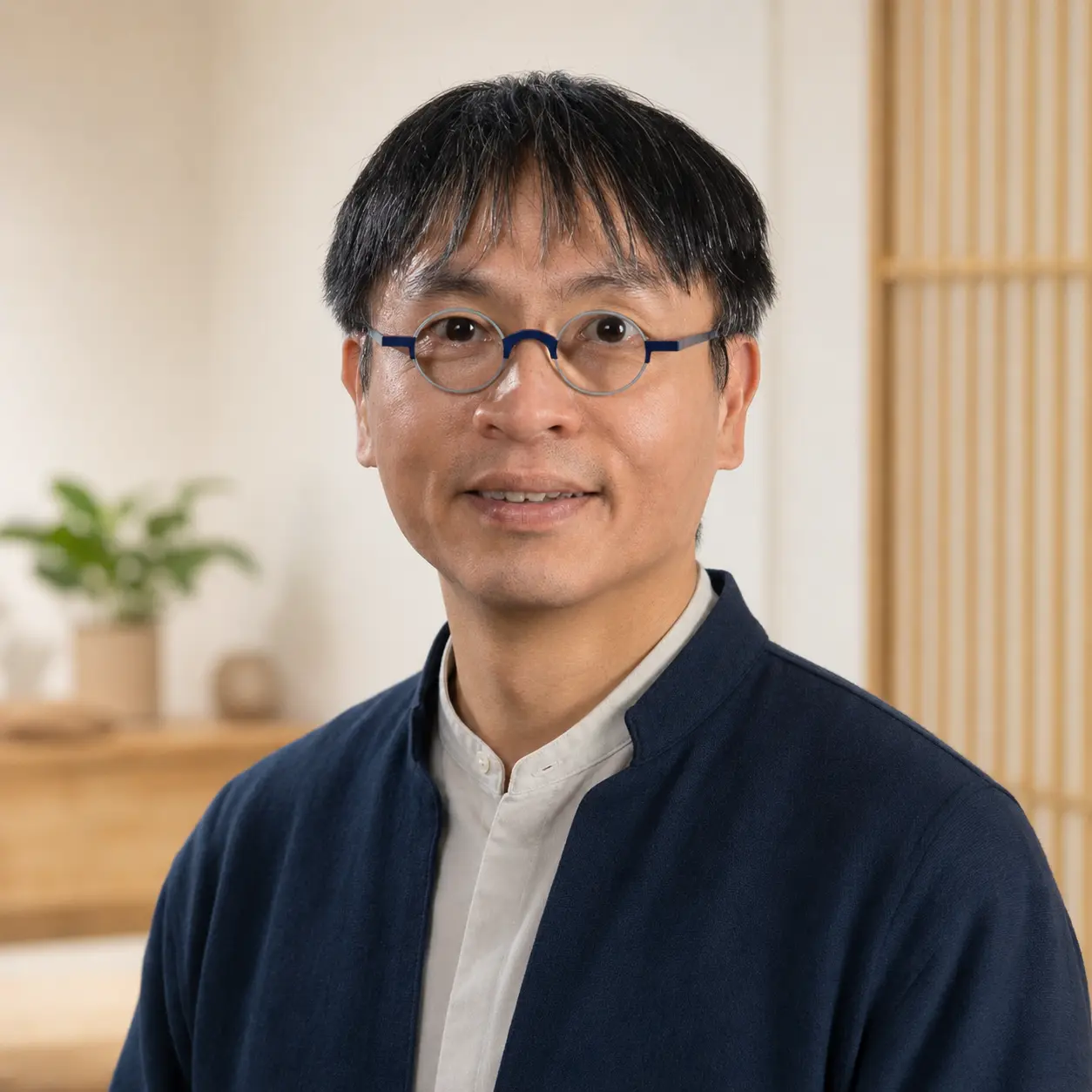
Takayoshi Munemoto

R.Ac, R.M.T, GCFP

Takayoshi Munemoto

Acupuncturist and registered massage therapist offering TMJ-related tension care, craniosacral therapy and Guild Certified Feldenkrais movement education for dental patients.

Appointments

Have questions about the scope of craniosacral therapy?

Call 416-665-1145 or request a consultation at 930 St Clair Ave W in St. Clair West. Confirm the provider’s current title, purpose, fees and coverage before booking.

St. Clair West, Toronto

Visit us at 930 St Clair Ave W.

Regal Heights Dental Centre serves Regal Heights, Wychwood, Corso Italia, Oakwood Village, Cedarvale and nearby Toronto neighbourhoods.

930 St Clair Ave W
Toronto, ON M6C 1C8

By TTC: the 512 St. Clair streetcar stops nearby. Parking details should be confirmed with the clinic before your visit.