
Short answer
Dental bonding uses tooth-coloured composite resin to make conservative changes to selected teeth. It may repair small chips, disguise limited discolouration, close modest spaces or refine shape and symmetry. It is not the right solution for every crack, cavity, bite problem or colour concern, so an examination comes before choosing it.
Key takeaways
- Bonding is best suited to small or moderate cosmetic changes when the tooth is otherwise healthy.
- Composite can usually be placed with little tooth reduction, but it may stain, chip or wear over time.
- Decay, gum disease, grinding and bite forces should be addressed before cosmetic treatment.
- A dentist should compare bonding with whitening, orthodontics, veneers or restorative treatment based on the cause of the concern.
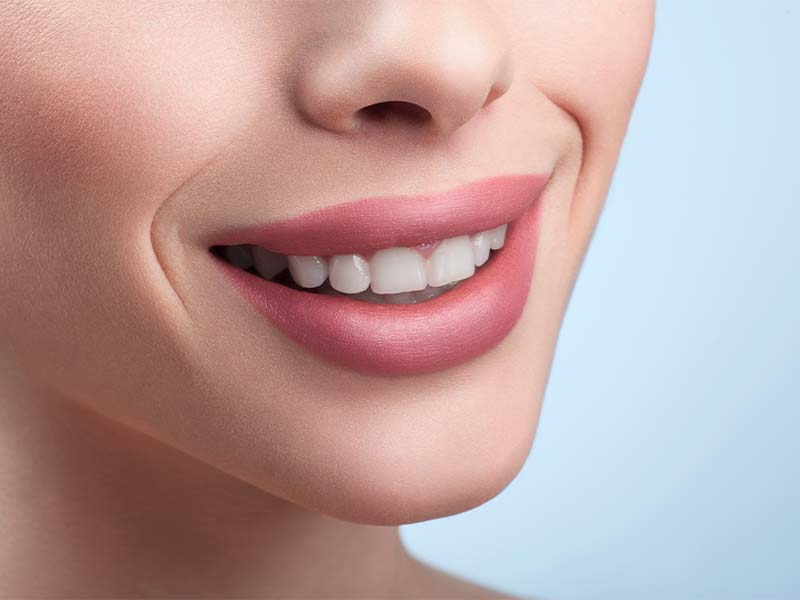
Dental bonding is a conservative option for selected small cosmetic concerns when the underlying tooth is healthy. A dentist applies tooth-coloured composite resin, shapes it directly on the tooth and hardens it with a curing light. The treatment may improve a chip, a modest space, an irregular edge, a localized stain or the apparent proportions of a tooth.
The important word is may. Bonding is a material and technique, not a universal cosmetic answer. The cause of the appearance, the amount of healthy enamel, the bite and the patient’s long-term priorities all influence whether it is a sensible choice.
Which cosmetic concerns may respond to bonding?
Bonding is often considered for a small chip on a front tooth, especially when most of the tooth remains intact. Composite can replace the missing contour and be polished to blend with nearby enamel. It may also smooth an uneven edge or refine a tooth that looks slightly short or narrow.
A modest gap between teeth can sometimes be reduced by adding composite to one or both neighbouring teeth. The dentist must evaluate proportions and contacts. Closing too much space with resin can make teeth look unusually wide or create areas that trap plaque.
Bonding may mask a limited patch of discolouration that does not respond predictably to bleaching. It can also cover a small developmental defect or improve symmetry when one tooth differs subtly from its counterpart.
These uses are cosmetic only after the dentist confirms that there is no active decay, fracture requiring structural protection or gum condition causing the appearance.
What can bonding not reliably correct?
Composite does not move teeth or correct the way the upper and lower teeth meet. A larger gap, crowding, rotation or significant bite discrepancy may be better approached with orthodontic treatment. Adding material to teeth that are already crowded can make cleaning and proportions worse.
Bonding also does not strengthen every damaged tooth. A large fracture, extensive filling, deep crack or tooth weakened after root canal treatment may need a restoration that surrounds and protects more of the remaining structure. The decision belongs to restorative diagnosis, not appearance alone.
Severe or widespread colour differences can be difficult to mask conservatively. Enough composite must be used to control opacity without creating excessive bulk. Some intrinsic stains may require a different combination of whitening, composite or veneers after a careful assessment.
If the cosmetic complaint is caused by gum recession, active inflammation or tooth wear from grinding, simply adding resin does not address the driver. The gum condition, habits and bite forces need attention as part of the plan.
How is the treatment planned?
The appointment begins with a history and examination. The dentist asks what specifically bothers the patient and whether the goal is a small correction or a broader smile change. Photographs and shade records can make that conversation more precise.
Teeth and gums are checked for cavities, cracks, inflammation and adequate enamel. The dentist also looks at how the tooth contacts its opposite tooth during biting and side-to-side movement. A restoration placed directly in a heavy contact may chip repeatedly even when it looks excellent at first.
For a larger cosmetic change, a preview, diagnostic model or mock-up may help evaluate length and proportions. Patients should understand which result is realistic before enamel is altered or material is placed.
Shade selection matters because composite does not later bleach along with natural enamel. Anyone considering tooth whitening should discuss the order of treatment. Whitening first, followed by time for the shade to stabilize, may make it easier to match new bonding.
What happens during dental bonding?
The exact steps depend on the tooth and the reason for treatment. The surface is cleaned, and limited reshaping may be performed when needed. An etching and bonding system helps the resin attach to enamel or dentin. Composite is then placed in increments, sculpted and hardened with a curing light.
The dentist refines the shape, checks the bite and polishes the surface. Many small cosmetic additions can be completed in one visit. Local anaesthetic may not be required when treatment stays on the external enamel, but it can be appropriate if decay is removed or a sensitive area is involved.
A new restoration may initially feel unfamiliar to the tongue. Persistent roughness, an uneven bite, floss that catches or pain when chewing should be reported rather than tolerated.
What are the advantages of a conservative approach?
Direct composite often requires less removal of healthy tooth structure than a porcelain veneer or crown. It is placed and shaped in the mouth, so there is usually no laboratory stage. If a small area later chips, repair may be possible without replacing the entire restoration.
This flexibility can be useful for young adults whose teeth and gums are still changing or for patients who want a measured improvement instead of a major smile redesign. It can also help clinicians test changes in length or contour before considering a more involved option.
Conservative does not mean maintenance-free. The bond depends on remaining tooth structure, moisture control, material thickness and the forces placed on it.
How long does bonding last?
There is no fixed expiry date. Longevity varies with the size and location of the restoration, bite, grinding, diet, oral hygiene and habits. A small addition protected from heavy contact may perform for years; a long edge used to bite hard objects can fail sooner.
Composite may gradually lose gloss or pick up surface stain from tobacco, coffee, tea or red wine. Polishing can sometimes refresh it. Deeper colour change, recurrent decay or a significant chip may require repair or replacement.
Routine examinations allow the margins, contact and bite to be monitored. A dentist should replace bonding because there is evidence of a problem, not simply because a certain number of years has passed.
How should bonded teeth be cared for?
Brush twice daily with fluoride toothpaste and clean between teeth. Plaque can still collect around the margins, and the natural tooth can still develop decay. Use a technique and products that clean effectively without aggressively abrading the composite.
Avoid using bonded front teeth to open packaging, bite fingernails, chew ice or hold objects. If you play contact sports, use an appropriate mouthguard. If you clench or grind, tell the dentist; managing the forces may help protect both the bonding and natural teeth.
Staining drinks do not have to be eliminated, but frequent exposure and smoking can change the appearance. Rinsing with water after a staining beverage and maintaining professional care may help. Do not attempt to polish composite with abrasive household products.
How does bonding compare with other options?
Whitening lightens responsive natural tooth structure across a broader area; it does not add shape or repair a chip. Bonding can change shape and mask a selected spot, but the composite itself does not bleach.
Clear aligners move teeth and can address spacing or alignment without making teeth wider. They require suitable anatomy, consistent wear and a treatment period. Bonding can sometimes refine small shape differences after orthodontics.
Porcelain veneers cover the front surface and may provide greater colour control and wear resistance in selected cases. They generally involve laboratory work and removal of enamel, making the treatment a more lasting commitment. Read the detailed comparison in dental bonding versus porcelain veneers.
A crown covers much more of a tooth and is primarily considered when structural protection is needed. It should not replace a healthy tooth’s outer structure merely because bonding is less durable.
Who may not be a good candidate right now?
Treatment may be postponed when there is active decay, untreated gum disease or unstable oral hygiene. Heavy grinding, an edge-to-edge bite or repeated fracture requires a force analysis before new resin is added. A very large colour or position change may exceed what composite can achieve without looking bulky.
Expectations also matter. Composite is designed to imitate natural tooth appearance, not deliver identical colour under every light or remain unchanged forever. A patient seeking a perfectly uniform, maintenance-free result needs a candid discussion about biological and material limits.
What should you ask at a consultation?
Ask what is causing the concern, how much healthy tooth would be altered, how the bite affects prognosis and what maintenance is likely. Request alternatives and the consequences of doing nothing. If several front teeth are involved, ask how shade, symmetry and future repairs will be managed.
It is also useful to know whether whitening or orthodontics should come first and whether photographs or a preview can support the decision. A good plan is specific to the teeth, not a standard package.
For an examination and a comparison of conservative cosmetic options, learn about advanced cosmetic dentistry at Regal Heights Dental Centre or contact our St. Clair West team.
Frequently asked questions
Is dental bonding permanent?
No. Bonded composite can last for years, but it may eventually need polishing, repair or replacement.
Can bonding close a gap?
It may close a small space, provided the result can be shaped without creating an oversized tooth or an unhealthy contact.
Does bonding whiten teeth?
No. Composite masks selected areas and does not bleach enamel. If whitening is planned, it is usually discussed before choosing the composite shade.
Can bonding fix a broken tooth?
It may repair a small chip, but a larger fracture, decay or structural weakness may require a different restoration.