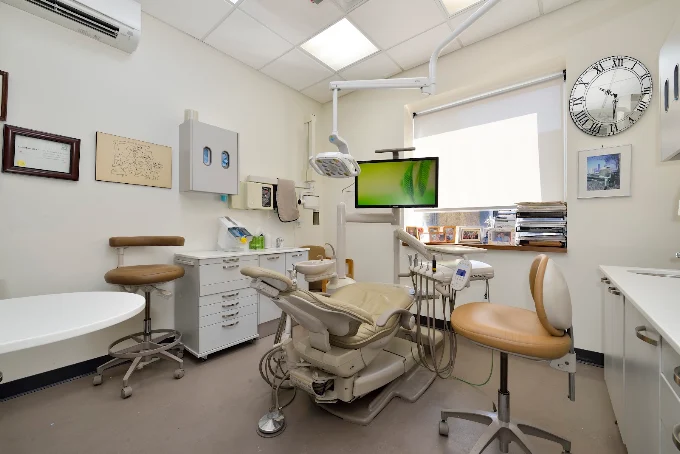
Short answer
A new-patient dental exam establishes a baseline for your care. The team reviews your medical and dental history, listens to your concerns, examines your teeth, gums, bite, jaw and oral tissues, and recommends imaging only when it is clinically justified. The visit should end with an understandable explanation of findings and options—not automatic treatment without your agreement.
Key takeaways
- Bring an accurate medication list, health history and any useful recent dental records.
- A comprehensive exam is broader than checking for cavities and may not include a cleaning on the same day.
- Dental X-rays are selected according to individual need rather than taken on one identical schedule.
- You should have time to understand findings, alternatives, priorities and expected costs before treatment.
Before the examination: your history
Your visit starts with paperwork or a conversation covering medical conditions, medications, allergies, past dental treatment and any current concerns. This is not box-ticking — heart conditions, diabetes, pregnancy, blood thinners and dozens of other factors genuinely change how dental care is planned. It is also your chance to mention dental anxiety, past bad experiences or specific goals. Details on registration and what to bring are on our new patients page.
The examination itself
The dentist works through a systematic check:
- Teeth. Each tooth is inspected for decay, cracks, wear and the condition of existing fillings and crowns.
- Gums. Measurements around the teeth assess gum health and screen for periodontal disease, a leading cause of adult tooth loss.
- Soft tissues. The tongue, cheeks, palate, floor of the mouth and throat are examined — this includes screening for signs that may need further assessment, described in what is included in an oral cancer screening.
- Bite and jaw. How your teeth meet, signs of grinding, and the jaw joints are evaluated.
This full-mouth approach is the foundation of the dental exam service and the basis for everything that follows.
X-rays and records
X-rays reveal what eyes cannot: decay between teeth, bone levels, infections at root tips and problems under existing restorations. What is taken depends on your situation — a new adult patient without recent films often has a fuller series than someone transferring recent records. If you have X-rays from a previous office, arranging their transfer can reduce what needs retaking.
Discussing findings and next steps
The exam ends with a conversation, not a lecture. The dentist explains what was found — often with your X-rays or photos on screen — answers questions and outlines options where treatment is recommended. If your mouth is healthy, the plan may simply be routine cleanings and checkups on a schedule suited to you, a topic explored in how often should you visit the dentist. If treatment is needed, urgency and sequencing are discussed so you can make informed decisions. Nothing is booked without your agreement.
When to contact a dentist
If it has been more than a year since your last exam, or you have never established care in the area, a new patient exam is the sensible starting point — even with no symptoms, since gum disease and early decay are often silent. Families can arrange exams for adults and children alike through our family dentistry service.
How to prepare before your first appointment
Complete intake forms carefully rather than treating them as routine paperwork. Include diagnosed health conditions, previous surgeries, allergies and every medication or supplement you take. The name and dose are useful because medicines can affect bleeding, healing, saliva flow and interactions with drugs used in dentistry. If your health changes after submitting a form, tell the team at the appointment.
Arrange transfer of recent records when they may help, but do not assume an old image eliminates the need for a current one. The dentist must decide whether it shows the right area, has suitable quality and remains relevant to today’s concern. Write down symptoms, when they began and what changes them. Also list your goals: comfort, function, prevention and appearance can lead to different questions.
If you need an accommodation, interpreter, support person or extra time because of mobility, sensory, communication or anxiety needs, mention it while booking. Preparation allows the office to respond more effectively than learning about the need after the visit has begun.
A dental examination is not the same as a cleaning
An examination is diagnostic: it gathers and interprets information. A cleaning is preventive or periodontal care that removes deposits and supports gum health. They often occur during the same general visit cycle, but one does not automatically include the other. A patient with light buildup and stable gums may be suitable for routine hygiene care, while deeper periodontal pockets or extensive deposits may require a different appointment and plan.
This distinction matters for time, consent and cost. Ask what has actually been booked. If you expect both an examination and cleaning, confirm that the appointment allows for both. Regal Heights provides dental hygiene and periodontal care based on the condition of the gums rather than using one procedure for every patient.
How dentists decide whether imaging is needed
Dental images can reveal information not visible during a clinical examination, including changes between teeth, around roots and in supporting bone. They also involve radiation exposure, so the decision should have a reason. Age, symptoms, cavity history, gum condition, previous treatment, available records and the area being assessed all influence the choice.
You can ask what an image is intended to show and how it could change the recommendation. The purpose of digital dental X-rays is to support a clinical decision, not to replace the examination or patient conversation.
Understanding the discussion after the exam
A useful explanation separates observations from decisions. The dentist may identify stable areas that only need monitoring, preventive risks that can be addressed at home or through hygiene care, and active problems that have different levels of urgency. Ask which finding needs attention first and why.
When treatment is recommended, ask about the goal, alternatives, benefits, limitations, material risks and likely result of delaying or declining it. A staged plan may address pain or infection first, stabilize disease next and consider longer-term restorative or cosmetic goals afterward. This sequence can make a complex plan easier to understand and budget for.
Photographs, diagrams or images may help, but you should also receive a plain-language explanation. If you need time to consider a non-urgent decision, say so. Informed consent is an ongoing conversation, not merely a signature.
What happens after the appointment
Before leaving, confirm the next step, expected timing and which symptoms should prompt earlier contact. If the plan is preventive, understand the recommended examination and hygiene interval and what you can do between visits. If treatment is proposed, ask whether another appointment, estimate, preauthorization or referral is needed.
Keep the office updated about changes in medications, pregnancy, diagnoses or new symptoms. A baseline is valuable because future examinations can compare new findings with a documented starting point. That comparison—rather than a single isolated snapshot—is one of the main benefits of establishing continuing dental care.
Questions about cost and insurance
Clinical recommendations and insurance decisions answer different questions. The dentist recommends care according to findings and your circumstances; an insurer or public plan determines reimbursement under its own rules. Before scheduling non-urgent treatment, ask the office for an estimate, what portion is expected from you and whether preauthorization is needed. An estimate is useful planning information, but it may not guarantee the final payment made by a benefit plan.
If cost affects the choice or timing, say so openly. Ask which issue is urgent, whether treatment can safely be staged and what alternatives exist. The least expensive immediate option is not always the least costly over time, while the most extensive option is not automatically necessary. A clear explanation should help you compare function, longevity, maintenance, risks and cost without pressure.
Bring benefit information, but do not let coverage replace the clinical conversation. Understanding why something is recommended remains important whether the service is fully covered, partly covered or not covered.
If you are looking for a dentist near St. Clair West, review our new-patient information and request an appointment with Regal Heights Dental Centre.