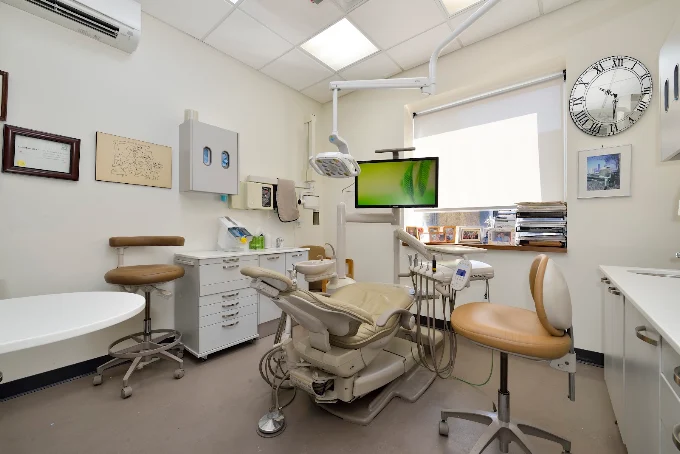

A dental examination is a chance to look for change, not simply a search for cavities. Teeth, gums, restorations, oral tissues, bite and symptoms all provide information.
What an examination may include
The exact visit depends on age, history and concern. It may include:
- Reviewing health and medication changes
- Discussing pain, sensitivity, function or appearance
- Examining teeth and existing restorations
- Assessing gums and supporting tissues
- Looking at the tongue, cheeks and other oral tissues
- Considering the jaw and bite
- Recommending selected digital imaging when justified
How often?
The right interval is individual. Someone with active disease, a complex history or changing risk may need closer monitoring than a person with stable oral health. Your clinician should explain the recommended schedule and what it is intended to monitor.
Early attention can preserve choices
Some changes are easier to manage when they are identified before pain or major structural damage develops. An examination cannot prevent every problem, but it supports informed decisions and a documented baseline.
If you are overdue or have a specific concern, request an appointment.